
If you are a member of the Philippine National Police (PNP) and need to access or manage your personnel information online, the pnp online pais portal is an important digital system to know about. The PAIS PNP Online platform is associated with the Philippine National Police and is used for personnel-related information and administrative processes.
The PAIS portal is an internal system, so access is generally limited to authorized PNP personnel and users who have been provided valid credentials. A PNP-related government information page lists the PAIS online system at pais.pnp.gov.ph and provides it as the PNP Online PAIS portal.
In this guide, we will explain the pnp online pais portal login, registration, personnel information, profile updates, requirements, common login problems, and security practices. Whether you are trying to access the the pnp online pais portal portal for the first time or need help understanding its purpose, the following sections provide a straightforward overview. visit for Homepage
What Is PAIS PNP?
the pnp online pais portal refers to the Personnel Accounting and Information System associated with the Philippine National Police. It is designed to support the management and maintenance of information relating to PNP personnel.
Rather than depending entirely on paper-based records, digital personnel systems allow authorized users and administrative offices to maintain information electronically. Depending on the user’s authorization and assigned role, the system may support personnel records, administrative information, organizational data, and related functions.
The the pnp online pais portal Online portal can therefore be viewed as an important component of the PNP’s digital personnel-information environment.
The official portal is hosted under the pnp.gov.ph government domain:
Visit pais.pnp.gov.ph
It is important to understand that the pnp online pais portal is not a public registration website. Users should not expect to create an account simply by visiting the website. Access depends on authorization and credentials provided through the appropriate PNP administrative or IT channels. Current guidance also describes PAIS as an internal PNP system intended for authorized personnel.
PAIS PNP Online Login
The the pnp online pais portal login process is intended for personnel who already have authorized credentials. If your PNP office has provided you with login information, you can begin by opening the official portal.
Step 1: Open the Official PAIS Website
First, open an updated web browser such as Chrome, Microsoft Edge, Firefox, or Safari.
Enter the official PAIS address:
Always check the domain carefully before entering your username or password. Avoid websites that imitate the PAIS login page or ask for your credentials through unofficial channels.
A PNP provincial office’s information-systems page specifically identifies pais.pnp.gov.ph/Account/Login as the PNP Online PAIS login address. Official site

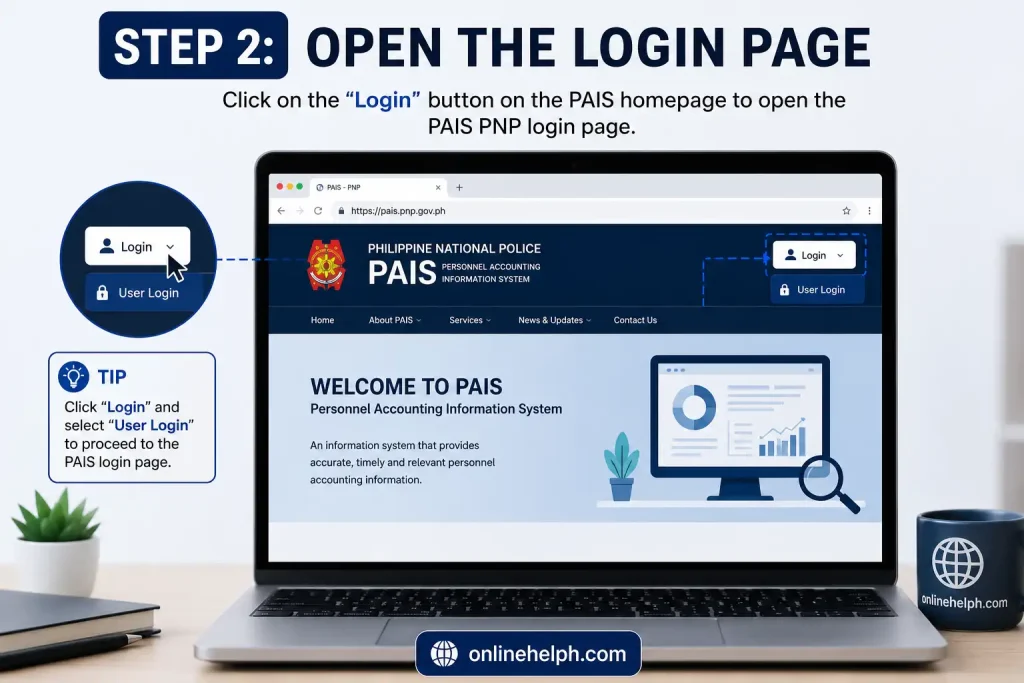
Step 2: Open the Login Page
After opening the the pnp online pais portal website, proceed to the login page if the portal does not automatically redirect you there.
You should only continue if you are an authorized PAIS user.
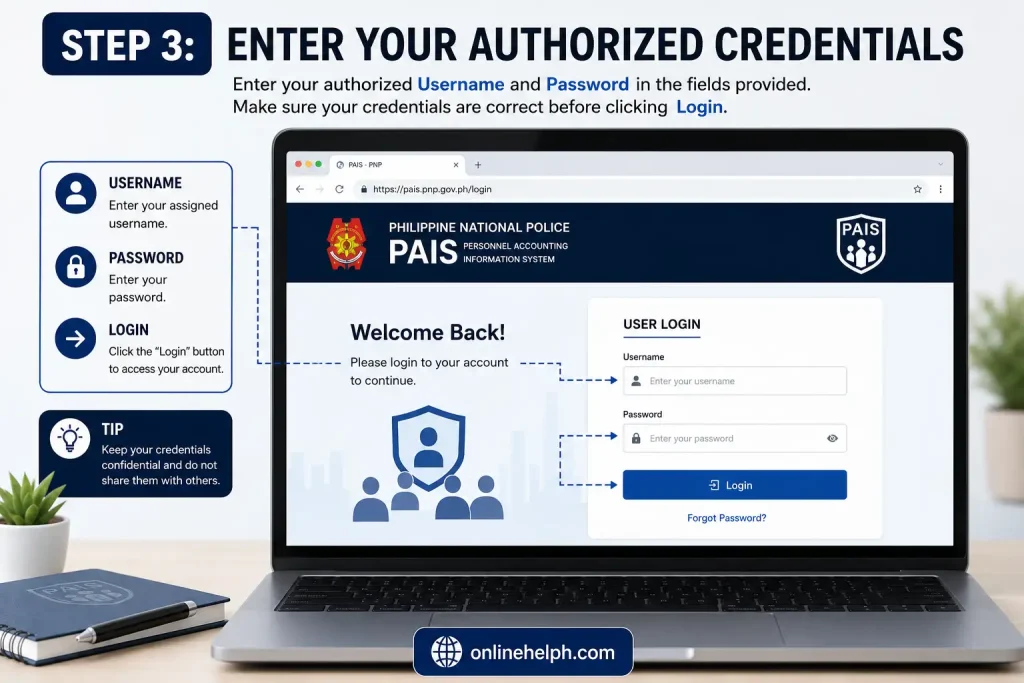
Step 3: Enter Your Authorized Credentials
Enter the username or other login credential issued to you by the appropriate PNP authority.
Then enter your password carefully.
Do not share your PAIS credentials with coworkers, friends, or third parties. Personnel systems can contain sensitive information, so account security should be treated seriously.
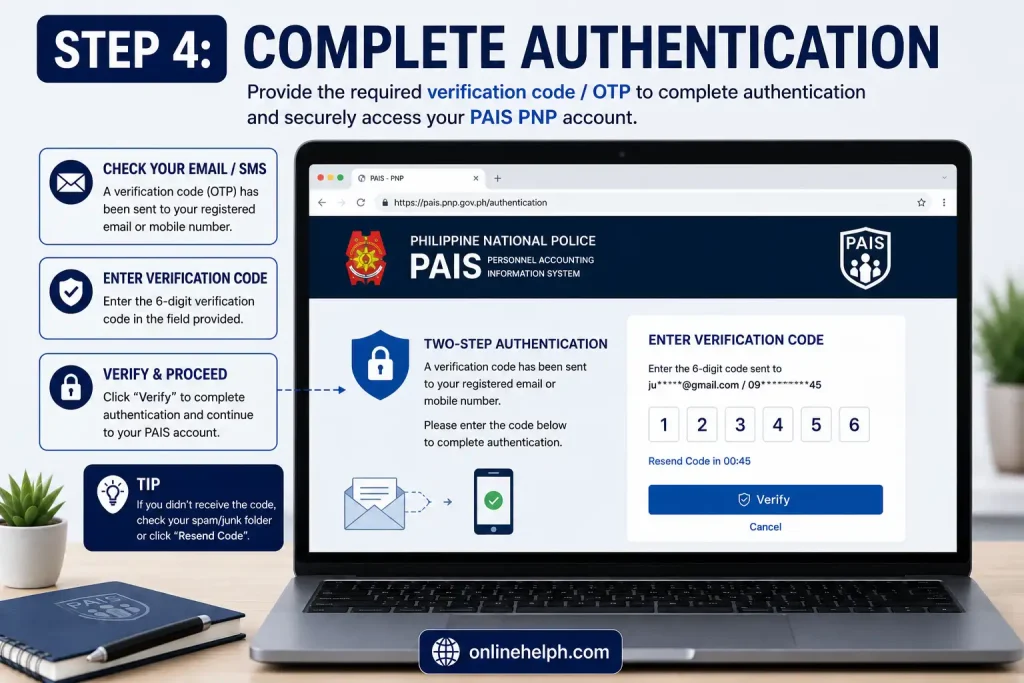
Step 4: Complete Authentication
If the system displays an additional verification or authentication requirement, follow the instructions shown on the official PAIS portal.
The exact login experience may vary depending on the account configuration and the user’s role.
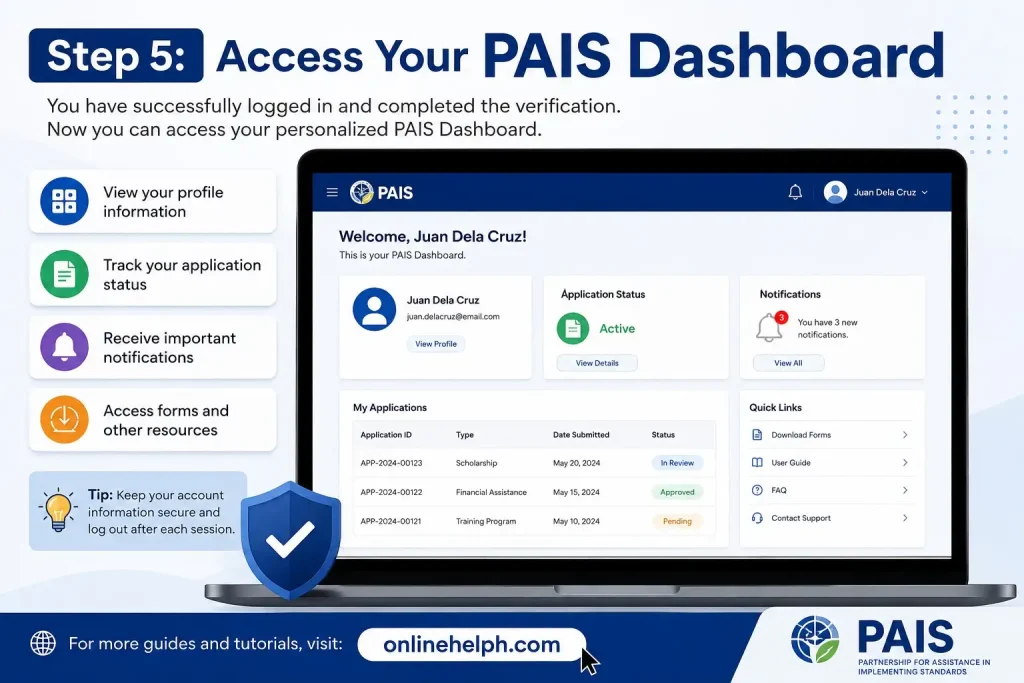
Step 5: Access Your PAIS Dashboard
After successful authentication, you should be taken to the part of the the pnp online pais portal Online system available to your account.
The information and functions displayed can depend on your assigned permissions.
PAIS PNP Registration: Can Anyone Create an Account?
One of the most common questions about the pnp online pais portal registration is whether a member of the public can create an account online.
Generally, PAIS is an internal PNP system rather than a public registration platform. Access is based on authorization, and users normally need credentials or account access provided through the appropriate PNP process.
Therefore, if you visit the PAIS website and do not see a normal public Register option, this does not necessarily mean the website is malfunctioning.
Instead, newly authorized personnel should follow the instructions provided by their:
- PNP unit
- Personnel office
- Human-resource or administrative office
- Designated PAIS administrator
- Authorized PNP IT personnel
What You May Need for PAIS Access
The exact requirements can depend on your role and the procedure followed by your PNP office. Commonly, you may need:
- Valid PNP identification or personnel information
- Authorized PAIS credentials
- Official personnel details
- An active account created or enabled by the appropriate administrator
- Supporting documents when a personnel record needs verification
- A reliable internet connection
- An updated web browser
Do not submit sensitive information to third-party websites claiming to provide the pnp online pais portal registration.
What Information Is Managed Through PAIS PNP?
The exact information and modules available to a user depend on their authorization. Personnel information systems can contain different categories of information used for administrative and personnel-management purposes.
A typical the pnp online pais portal personnel profile may involve areas such as:
Personal and General Information
This section can contain basic identity and personnel information required to identify the member accurately.
Examples may include:
- Full name
- Rank
- Badge or personnel number
- Date of birth
- Contact information
- Other identifying information
- Emergency or next-of-kin information where applicable
Personnel should carefully check this information because incorrect identity details can create problems during administrative processing.
Appointment and Service Information
Service-related information is another important area of personnel administration.
Depending on the user’s access, records may include information concerning:
- Appointment
- Rank history
- Promotion information
- Unit assignment
- Service dates
- Plantilla or position information
- Other career-related records
Keeping these records accurate can help personnel offices maintain reliable administrative information.
Educational Background
Personnel records may also contain information about educational qualifications.
This can include:
- Elementary education
- Secondary education
- College or university
- Degree or course
- School information
- Years attended
- Other educational qualifications
Supporting documents may be required when information is added or corrected.
Training and Career Development
Professional training is another important part of a police personnel record.
Depending on the system and authorization, information can include:
- Police training
- Specialized courses
- Seminars
- Career development programs
- Training dates
- Training certificates
- Special orders or related documentation
Accurate training information can be important when personnel records are reviewed for administrative or career-related purposes.
Why Is Accurate PAIS Information Important?
Keeping your the pnp online pais portal information accurate is important because personnel records can be used for administrative purposes.
An incorrect name, missing training record, outdated assignment, or incomplete educational entry can potentially cause delays when information needs to be reviewed or verified.
Before submitting any update, carefully check:
- Your spelling and personal details.
- Your rank and service information.
- Education entries.
- Training and seminar records.
- Uploaded supporting documents.
- Dates and reference numbers.
- Any required declarations or signatures.
Do not enter information simply to complete a form quickly. Personnel information should match official documents and records.
How to Update Your PAIS PNP Personnel Profile
If your account provides access to personnel-information editing, you may be able to update certain information through the the pnp online pais portal Online system.
The exact buttons and workflow can differ according to the current version of the portal and the permissions assigned to your account.
A general process is:
1. Log In to PAIS
Open the official website and sign in using your authorized credentials.
pnp pais gov ph log in Portal
2. Open Your Personnel Information
After logging in, look for the personnel-information, profile, or relevant administrative section available to your account.
3. Review Existing Details
Before changing anything, review the information already stored in the system.
Look for:
- Missing information
- Incorrect spelling
- Outdated details
- Incorrect dates
- Missing education records
- Missing training information
4. Enter the Correct Information
Update only information that you can verify from official documents.
Do not guess dates, identification numbers, rank information, or other official details.
5. Upload Supporting Documents When Required
If the system asks for documentary evidence, upload clear and readable copies in the required format.
Examples may include educational documents, training certificates, eligibility documents, or official personnel records, depending on the transaction.
6. Review Before Submission
Carefully review every field before submitting your updated PAIS information.
7. Submit for Validation
Where the workflow requires administrative verification, the information may need to be reviewed by the appropriate PNP personnel or administrative office.
If an update cannot be completed online, contact your designated Personnel Officer or PAIS administrator for the proper procedure.
PAIS PNP Requirements
There is no single public checklist that applies to every the pnp online pais portal transaction because access and requirements can vary according to the user’s role and the type of personnel action being performed.
However, it is useful to prepare the following before attempting an update:
| Requirement | Purpose |
|---|---|
| Authorized PAIS account | Provides access to the system |
| PNP credentials | Confirms authorized user access |
| Accurate personnel information | Ensures records are correctly maintained |
| Supporting documents | Verifies changes where required |
| Stable internet | Helps prevent interrupted submissions |
| Updated browser | Improves compatibility and security |
For a specific personnel transaction, follow the instructions provided by your PNP unit or designated PAIS administrator rather than relying on an unofficial checklist.
Important PAIS PNP Safety Reminder
Because PAIS is associated with internal PNP personnel information, avoid entering your credentials into third-party websites.
Use the official government domain:
Official the pnp online pais portal Portal — pais.pnp.gov.ph
Also remember that the PAIS portal should not be confused with unrelated websites that use similar terminology. Search results currently contain pages incorrectly associating pais.pnp.gov.ph with firearms records, while PNP information-system references identify it as PNP Online PAIS.
Personnel Data, Profile Updates & Troubleshooting
In Part 1, we covered what the pnp online pais portal is, who can access it, the general the pnp online pais portal login process, registration access, and the importance of keeping personnel information accurate. In this section, we will go deeper into PAIS PNP personnel data, profile updating, document submission, validation, and common access problems.
Because PAIS is an internal PNP system, the exact menus and options visible after login can vary according to the user’s account and assigned permissions.
PAIS PNP Personnel Data Form
The the pnp online pais portal Personnel Data Form is an important part of maintaining accurate personnel information. Authorized users may be required to review or update different categories of information as instructed by their unit or personnel office.
Before making changes, it is best to have your official documents available so that the information entered into PAIS matches the supporting records.
Common information categories can include the following.
1. Personal and General Information
Personal information forms the foundation of a personnel record. Depending on the fields available to your account, this section may include information such as:
- Full name
- Rank
- Badge or personnel number
- Date of birth
- Contact information
- Address
- Civil status
- Next-of-kin information
- Other required identity information
When reviewing this section, pay particular attention to spelling, dates, identification numbers, and other information that must match official records.
If you discover an error that cannot be edited directly, do not attempt to work around the system. Instead, contact the appropriate PNP personnel or administrative office.
2. Appointment and Service History
The service-history section can contain information associated with a member’s career and appointment.
Depending on your authorized access, information may include:
- Appointment details
- Rank history
- Promotion information
- Assignment history
- Unit information
- Service dates
- Position or plantilla information
- Other personnel actions
Accurate service information is particularly important because personnel records can be referenced during administrative processes.
3. Educational Background
The education section records academic qualifications.
You may be asked to provide information such as:
- School or institution
- Course or degree
- Level of education
- Date or year attended
- Graduation information
- Other qualifications
If documentary evidence is required, use the official document requested by your PNP office. Avoid uploading unclear photographs or incomplete documents when a proper scanned copy is required.
4. Police and Military Training
Training records provide information about professional development and qualifications.
Possible entries can include:
- Basic police training
- Specialized courses
- Career courses
- Seminars
- Workshops
- Training dates
- Training institutions
- Training orders
- Certificates or supporting documents
If you have completed additional training that is missing from you the pnp online pais portal profile, ask your designated personnel office whether you should update it directly or submit the documents for administrative encoding and validation.
5. Civil Service and Other Eligibility
Personnel records can also contain information related to eligibility and qualifications.
Depending on the applicable record, this may include:
- Civil Service Commission eligibility
- NAPOLCOM examination information
- Professional licenses
- Board examination results
- Other recognized qualifications
Always enter eligibility information exactly as it appears on the official document.
How to Edit Your PAIS PNP Profile
If your PAIS account allows profile editing, follow the instructions displayed by the portal.
Step 1: Visit the Official PAIS Portal
Open:
the pnp online pais portal Official Portal
Make sure you are using the official pais.pnp.gov.ph domain before entering any account credentials.
Step 2: Log In
Enter the authorized username, personnel credentials, or other login information supplied through your PNP administrative process.
If your credentials are rejected, do not repeatedly guess passwords. Excessive unsuccessful attempts can potentially result in temporary account restrictions.
Step 3: Open the Personnel Profile
After successful authentication, locate the personnel-information or profile area available to your account.
The exact menu name may change as the system is updated, so follow the labels currently displayed on the official portal.
Step 4: Select the Information You Need to Update
Review each relevant category carefully.
For example, if your education record is incomplete, open the education section rather than changing unrelated personnel information.
Step 5: Enter Accurate Information
Enter information exactly as supported by your official records.
For example, when entering a training record, verify:
- Training title
- Training institution
- Date
- Reference/order number
- Certificate details
Step 6: Upload Supporting Documents
If the system requires attachments, prepare clear electronic copies of the requested documents.
Before uploading, make sure:
- The document is readable.
- All important information is visible.
- The file is not corrupted.
- The correct document has been selected.
- The file format meets the portal’s requirements.
Step 7: Review the Entire Profile
Do not immediately submit after entering one new item. Review the entire transaction for mistakes.
Check names, dates, numbers, attachments, and other information.
Step 8: Submit the Update
Once everything is correct, submit the information through the available PAIS function.
If the update requires approval, it may be forwarded to the appropriate PNP personnel or administrative authority for validation.
PAIS PNP Document Upload Guide
Document uploading is an important part of some personnel-information transactions.
The exact documents required will depend on what you are updating. For example, an educational qualification may require educational records, while a training entry may require a certificate or official training documentation.
Documents You May Be Asked to Provide
Depending on the transaction, supporting documents could include:
- Transcript of Records
- Diploma or educational certificate
- Training certificate
- Training order
- Eligibility documentation
- Appointment documents
- Promotion-related documents
- Special orders
- Other official personnel records
Do not upload documents merely because they appear on an unofficial checklist. Follow the specific requirements communicated by your PNP unit or the PAIS administrator.
Tips for Preparing PAIS Attachments
Before uploading a document, check its quality.
A good electronic copy should be:
- Clear and readable.
- Complete rather than cropped.
- Free from unnecessary markings.
- Saved in the format accepted by the system.
- Correctly associated with the relevant personnel record.
If a document contains multiple pages, make sure all required pages are included when the portal or personnel office requires a complete copy.
PAIS PNP Profile Validation and Submission
Updating information in the pnp online pais portal Online does not necessarily mean that the information is immediately treated as a finalized personnel record.
Some changes may require review or validation by the responsible PNP office.
This is why users should carefully review information before submission.
A typical workflow may involve:
Login → Review Profile → Edit Information → Upload Documents → Review → Submit → Validation
The actual process can vary depending on your account privileges and the type of information being updated.
If your submission remains pending or is returned for correction, follow the instructions provided by the responsible PNP personnel office.
Common PAIS PNP Login Problems
Sometimes users may be unable to access the the pnp online pais portal login page. The problem does not always mean that the account is incorrect. Browser issues, connectivity problems, maintenance, or account restrictions can also affect access.
Here are some common situations.
PAIS Website Is Not Loading
If pais.pnp.gov.ph does not open, first check your internet connection.
Then:
- Refresh the page.
- Try an updated browser.
- Clear browser cache if necessary.
- Try another trusted network.
- Check whether other official PNP websites are accessible.
If the portal is temporarily unavailable because of maintenance or a technical issue, users may need to wait until the service is restored.
Incorrect Username or Password
If you receive an incorrect-credentials message, carefully check the information you entered.
Remember:
- Passwords may be case-sensitive.
- Check Caps Lock.
- Avoid adding spaces.
- Do not copy an extra space when pasting credentials.
- Do not share your password with another person.
If the credentials are still rejected, contact the authorized PNP administrator or personnel/IT office responsible for your account.
Forgot PAIS Password
If the official login page provides a password-recovery option, use that facility and follow the instructions displayed by PAIS.
If no recovery option is available to your account, contact your designated administrator.
Do not use third-party “password recovery” websites or give your PAIS password to someone claiming they can recover the account for you.
Account Is Not Yet Activated
A newly assigned user may not be able to log in immediately if the account has not been created or activated.
In that situation, contact your:
- Unit personnel office
- PAIS administrator
- Authorized PNP IT personnel
Provide the relevant information requested by your office so they can verify your account.
Profile Information Cannot Be Edited
Some information may be restricted from direct editing.
For example, certain official personnel records may require administrative verification before they can be changed.
If a field is locked, do not attempt to manipulate the webpage or use unofficial software to modify it.
Instead, contact the responsible personnel office and ask about the official correction procedure.
PAIS PNP Login Security Tips
Because the pnp online pais portal relates to personnel information, account security is extremely important.
Use the Official Website
Always begin from the official PNP PAIS address:
Avoid login pages received through unknown messages, social-media posts, or suspicious emails.
Keep Your Password Private
Your PAIS password should remain confidential.
Never send your password through:
- Facebook Messenger
- SMS
- Public group chats
- Unofficial websites
Avoid Shared Computers
Whenever possible, use a trusted device to access your personnel account.
If you must use a shared computer, ensure you completely sign out when finished.
Do Not Save Passwords on Public Devices
Avoid saving PAIS credentials in browsers on computers used by other people.
Log Out After Completing Your Work
When you finish using the the pnp online pais portal Online portal, sign out of your account rather than simply closing the browser tab.
PAIS PNP vs Other PNP Online Systems
The Philippine National Police operates multiple information systems and online services. This can sometimes cause confusion when users search for a particular portal.
the pnp online pais portal should be distinguished from other PNP systems that serve different purposes.
For example, PNP information-system pages list several systems and identify PNP Online PAIS separately among their information systems.
Therefore, when searching for the pnp online pais portal login, make sure the result leads to the appropriate official PNP domain.
Do not assume that every website containing the words “PAIS,” “PNP,” or “online portal” is an official PAIS website.
FAQs
Conclusion
The the pnp online pais portal Online portal serves as a vital administrative hub for verified Philippine National Police personnel, streamlining the management of service records, educational qualifications, training credentials, profile updates, and official document validation. To ensure personal data remains secure, always access the system through its official domain at pais.pnp.gov.ph using authorized login credentials issued by your designated PNP administrative officer. Protecting personnel information is essential, so avoid third-party sites, keep your login details private, and thoroughly verify all details prior to submission.
Read More
PNP Payslip Online 2026: Login, Download & View PNP Online Payslip
DMW / POEA eRegistration 2026: Complete Online Registration, Login & User Guide
PAIS Admin PNP: Complete Login, Registration, Features & User Guide