
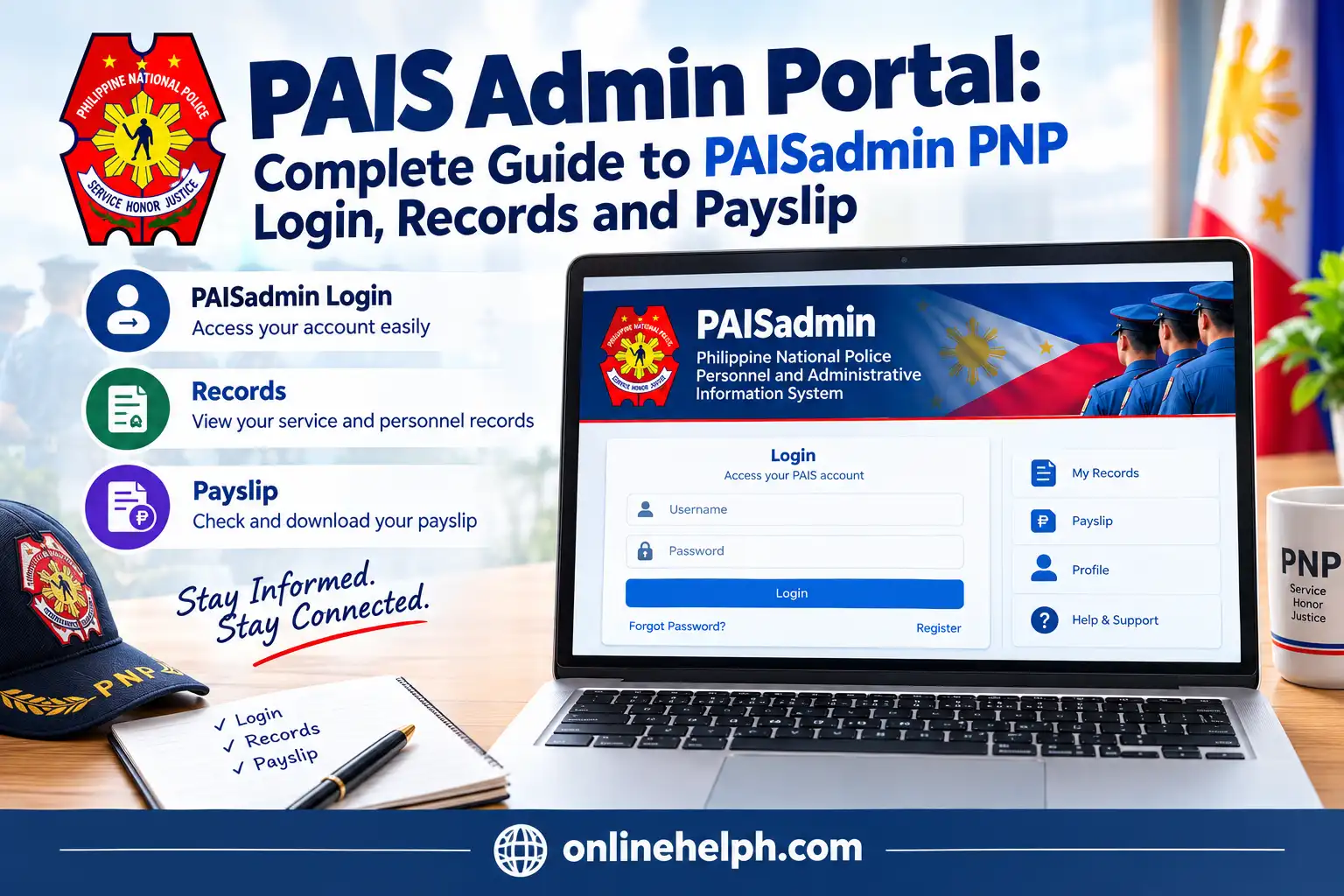
The PAISadmin PNP portal is an online system associated with the Philippine National Police (PNP) and is used for personnel-related information and administrative processes. PNP regional websites currently list PNP Online PAIS as an official personnel information system and point users to the PAIS login service.
For personnel searching for PAISadmin, the main portal address supplied for this guide is:
Official Pais admin Portal – paisadmin.pnp.gov.ph
A PNP regional information-systems page also lists the Pais admin login at:
PNP Online PAIS – pais.pnp.gov.ph
This guide covers the basic purpose of PAISadmin, access considerations, account login, personnel records, and the information users should check before attempting to troubleshoot an account. visit Homepage for more..
What Is PAISadmin PNP?
PAISadmin PNP refers to the administrative side of the Pais admin Advancement and Information System. It is intended for personnel information and administrative record management within the Philippine National Police.
The system is particularly relevant to PNP active personnel, Non-Uniformed Personnel (NUP), administrative officers and authorised personnel who need to work with personnel records.
PNP documents also show that PAIS is used in administrative record processes. For example, PNP guidance requires administrative personnel to keep information in PAIS updated, including appointment, promotion, reassignment and other relevant personnel information.
What can PAIS be used for?
Depending on the user’s account and assigned access level, PAIS-related functions may include:
Access is not necessarily identical for every person. The available functions can depend on the user’s role, account permissions and the PNP unit administering the information.
Important: PAISadmin is primarily a personnel and administrative system. Do not assume that every feature described online will appear in every user’s account.
Who Uses the PAIS Portal?
The PAISadmin PNP system is mainly relevant to people who have authorised PNP personnel access.
Typical users may include:
| User | Possible PAIS Use |
|---|---|
| PNP active personnel | Personal and service records |
| Non-Uniformed Personnel | Authorised personnel information |
| Administrative officers | Personnel record administration |
| Records personnel | Updating and maintaining records |
| DPRM-related personnel | Personnel and records management |
| Other authorised users | Functions assigned to their account |
The exact dashboard depends on the account type. A regular personnel account should not be expected to have the same administrative privileges as an authorised records or administrative account.
Why PAIS records matter
Personnel information can affect administrative processes, so accurate records are important. PNP instructions have specifically required responsible administrative personnel to maintain complete information in PAIS, including orders and other relevant personnel documents.
For this reason, users should review their information carefully and report discrepancies through the appropriate administrative channel rather than attempting to change official records without authorisation.
Before You Use PAISadmin PNP
Before opening PAISadmin, prepare the account information you normally use for authorised PNP systems.
A stable internet connection and an up-to-date browser are advisable. If the page does not load correctly, first check whether the problem is caused by the browser, network or the portal itself.
Basic preparation checklist
Before logging in, make sure you have:
For security, access the portal by typing the official address directly into the browser rather than following an unfamiliar link received through social media or messaging apps.
How to Open PAISadmin PNP
The first step is simply reaching the correct portal.
Step 1: Visit the official PAIS website
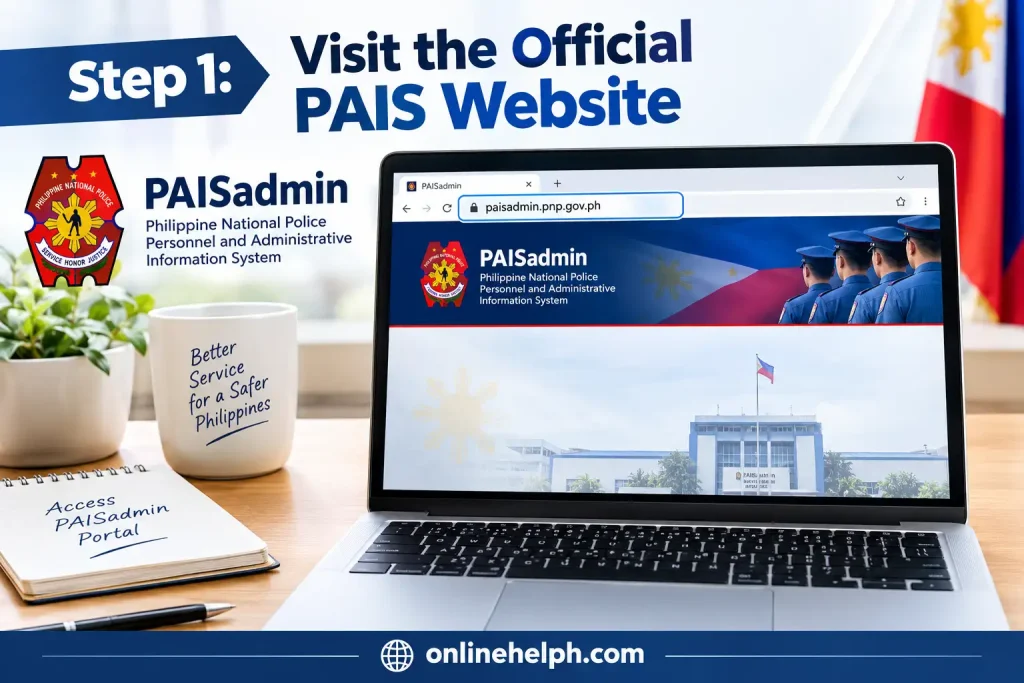
Open Chrome, Firefox, Microsoft Edge or another current browser and enter:
You may also encounter the PNP Online Pais admin address:
A PNP regional website currently lists PNP Online PAIS together with other official PNP information systems, providing additional confirmation that PAIS is part of the PNP’s online personnel-system environment.
Step 2: Check the address
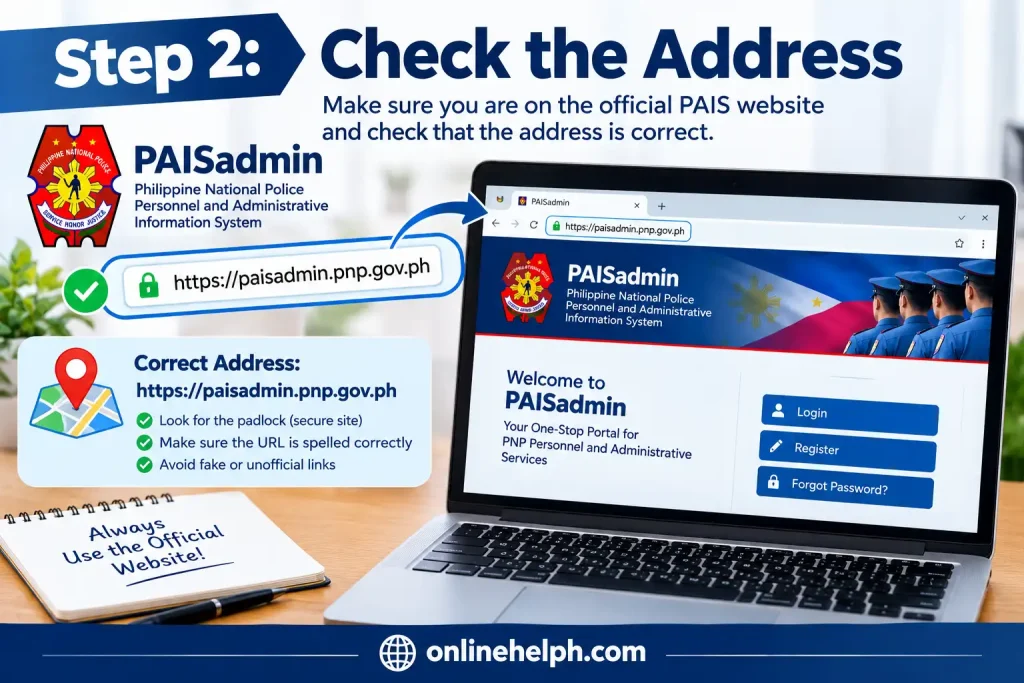
Before entering confidential information, confirm that the browser is showing an HTTPS connection and that the domain is the expected PNP address.
Do not enter your password on a page with a suspicious domain, unusual spelling or a shortened URL that you cannot verify.
Step 3: Reach the login page
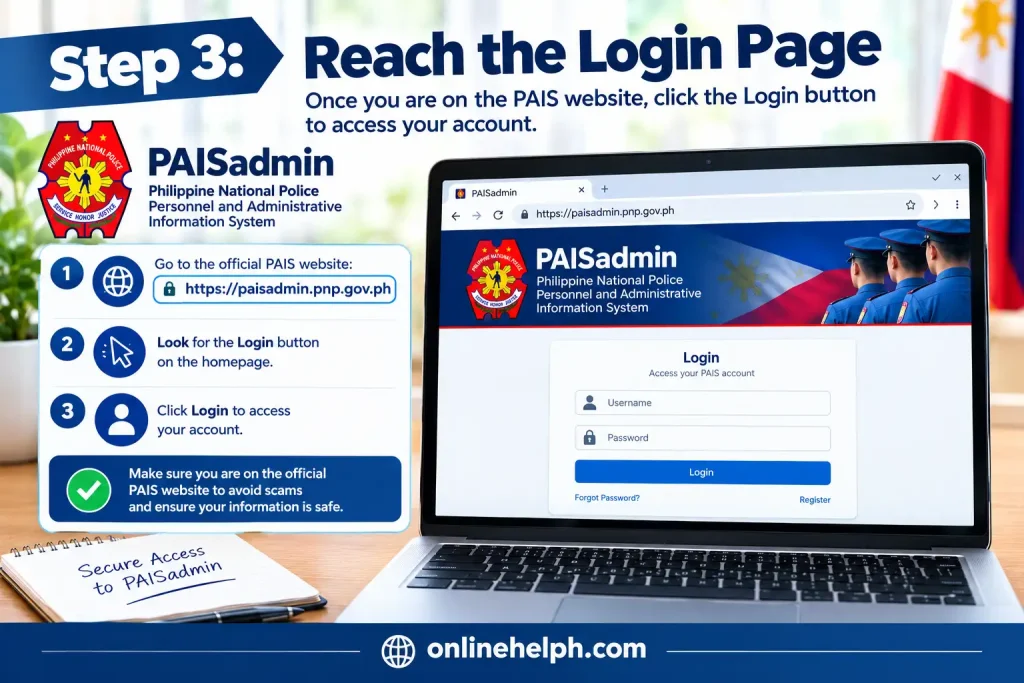
Once the official PAIS page loads, look for the available login option. The wording and layout may change when the PNP updates the system, so follow the instructions displayed on the current portal rather than relying on an old screenshot.
If you already have authorised credentials, enter them only on the official login page.
PAISadmin PNP Login: What to Expect
The PAISadmin PNP login process is intended to authenticate authorised users before allowing access to personnel information.
Your account may require an assigned user ID, personnel identifier or another credential specified by the PNP system. Because login requirements can change, use the fields actually presented on the current PAIS page.
After successful authentication, the available dashboard should reflect your account permissions.
Security reminder: Never give your PAIS username, password, OTP or other authentication details to another person, even if they claim to be helping you access the system.
What Comes After Login?
Once authenticated, personnel may see sections related to their profile and administrative information. The exact menu names can differ according to account permissions.
Common categories may include:
The next part of this guide will cover how personnel information can be reviewed, how record-update requests may work, and how PAIS payslip access relates to PNP’s separate online payslip system.
PAISadmin PNP: Personnel Records, Payslips and Profile Updates
After signing in to PAISadmin PNP, the main purpose of the system is to give authorised personnel access to relevant personnel and administrative information. The information displayed can vary depending on the user’s account permissions, so not every account will show the same menus or records.
PNP personnel systems are used for maintaining information connected with personnel administration, including service-related records and other official information. Pais admin administrative guidance also emphasises keeping personnel information in PAIS updated and properly maintained.
Reviewing Your Personnel Information
One of the most useful reasons for accessing PAISadmin is checking whether your personnel information is accurate.
Depending on your account and the functions currently enabled, your profile may contain information such as:
The exact fields available should always be checked against your actual PAIS dashboard.
Personal Data Sheet Information
Personnel records can include information originating from the Personal Data Sheet (PDS), such as educational qualifications, eligibility and personal details.
If you discover an error, don’t simply assume that changing a field yourself will immediately amend the official personnel record. Some information may require supporting documents and administrative verification.
How to Request a Personnel Record Correction
If your PAIS information is incomplete or contains an incorrect detail, the appropriate process may involve submitting a record-update request through the authorised administrative channel.
A typical workflow can involve:
Examples of documents that may be relevant include civil-status documents, educational records, training certificates or other official personnel documents.
Keep your supporting documents clear and readable. If the system specifies a file format or size limit, follow the requirement shown on the portal.
Why supporting documents matter
A personnel information correction can affect an official record. For that reason, administrative staff may need documentary evidence before approving a requested change.
PNP personnel guidance has also stressed the importance of updating PAIS information when personnel circumstances change, including information connected with appointments, promotions and assignments.
PAIS Payslip and Financial Information
Another common search associated with Paisonline is PNP payslip access.
Personnel who need salary information should distinguish between the PAIS personnel-information environment and any dedicated PNP electronic payslip service. The availability and location of payslip functions can change, so use the official system or instructions provided by your PNP unit.
If your PAIS dashboard contains a financial or payslip section, follow the menu options displayed after login.
Typical payslip information
An electronic payslip may provide an itemised view of salary-related information, such as:
The exact information depends on the payslip system and the personnel record.
How to Check a PNP Payslip Online
If a payslip module is available to your account, the general process is straightforward.
Step 1: Sign in
Open the authorised PAIS or PNP payslip service and log in using your approved credentials.
Step 2: Find the payslip section
Look for a menu labelled something similar to Payslip, Payroll, Financial Records or Payslip History.
The exact label may vary as systems are updated.
Step 3: Select the required period
If the system provides historical records, choose the relevant year and month.
Step 4: Review the information
Check the displayed salary, allowances and deductions carefully.
Step 5: Save or print the document
If a download or print option is provided, you can save a copy for your personal records.
Tip: If the amount shown on a payslip appears incorrect, compare the document with previous records and contact the appropriate PNP payroll or administrative office rather than attempting to alter the information yourself.
PAISadmin Login Problems: What to Check First
A failed PAISadmin login does not always mean that your account is incorrect. The problem can come from several different sources.
Before contacting support, work through the basic checks below.
1. Check your credentials
Carefully re-enter your username or personnel identifier and password.
Watch for:
If you have copied a password, make sure an accidental space hasn’t been added.
2. Check the website address
Make sure you’re using the official PNP domain rather than an unofficial website claiming to provide PAIS access.
Official addresses relevant to this guide include:
Paisonline : https://paisadmin.pnp.gov.ph/
PNP Online PAIS: https://pais.pnp.gov.ph/
A PNP regional website lists PNP Online PAIS among the PNP’s information systems.
3. Try another browser
If the login page behaves unexpectedly, try a current version of Chrome, Firefox or Edge.
You can also clear the browser cache and cookies for the site if an old session appears to be interfering with the login.
4. Check your internet connection
A slow or unstable connection can prevent the login page from loading properly or interrupt the authentication process.
Try another reliable connection if one is available.
What to Do When PAIS Is Temporarily Unavailable
Sometimes a government portal may be unavailable because of maintenance, technical problems, network issues or unusually high traffic.
If the PAISadmin Paisonline page does not open:
Avoid repeatedly entering a password when you’re unsure whether the problem is the password itself. Multiple unsuccessful attempts can potentially trigger account-security measures.
Forgot Your PAISadmin Password?
If you cannot remember your password, use the password-recovery option provided on the official PAIS login page, if available.
The recovery process may ask you to provide an account identifier or another piece of information associated with your registered account.
A typical recovery sequence is:
Forgot Password → Verify Account → Receive Verification → Create New Password → Sign In
However, the exact fields and verification method should be taken from the current PAIS page. Do not follow password-reset instructions from an unofficial third-party website.
If no recovery option is available, contact your authorised PNP administrative or IT support personnel.
When Should You Contact Your PNP Administrative Office?
Some problems cannot be solved through browser troubleshooting.
Contact the appropriate administrative or records office when:
Have relevant identifying information and supporting documents ready, but do not send your password or OTP to anyone.
PAISadmin Security: Protect Your Personnel Account
The information contained in personnel systems can be sensitive, so account security deserves particular attention.
Follow these basic rules
Never share your password.
PNP personnel should keep authentication credentials private.
Don’t share OTPs.
A verification code should only be used for the authorised authentication process.
Avoid public computers.
If you must access PAIS from a shared device, make sure you log out completely afterwards.
Don’t save passwords on shared machines.
Browser password-saving features can expose your account to other users of the computer.
Check the domain before signing in.
Look carefully at the web address before entering confidential information.
Log out after completing your work.
Closing the browser tab isn’t always the same as signing out.
Security reminder: Legitimate support personnel should not need you to disclose your password so they can log in to your PAIS account.
PAISadmin PNP Quick Checklist
Before contacting support, run through this checklist:
This simple check can distinguish a basic browser problem from an account or personnel-record issue.
What You Should Know Before Changing Personnel Information
PAIS should be treated as an official personnel-information environment rather than an ordinary profile-management website.
If a record is incorrect, don’t create duplicate accounts or repeatedly submit conflicting information. First identify the exact record that needs attention and follow the authorised PNP procedure for correction.
Where documentary evidence is required, use clear copies of legitimate documents and retain your originals securely.
PNP administrative guidance places responsibility on appropriate personnel for keeping PAIS information updated and maintaining relevant records.
Frequently Asked Questions About PAISadmin PNP
Conclusion
PAISadmin PNP provides an important online point of access for PNP personnel who need to manage or review personnel-related information. The Philippine National Police identifies PAIS as the Personnel Accounting and Information System, and its data is also connected with personnel and payroll-related processes.
If you need to access PNP Online PAIS, check personnel information, review available records, or access your online payslip, always start with the official PNP information-system links rather than relying on unofficial websites. PNP regional offices list both PNP Online PAIS and PNP Online Payslip among official personnel online systems.
Before logging in, make sure you are using the correct account credentials and an official website. If you experience login, password, or account problems, follow the applicable PNP support or administrative process instead of sharing your credentials with another person.
Read more
eTravel Philippines: Complete Online Registration Guide
PSA CRS Appointment System: Complete Online Booking Guide
PNP FEO Online System: Complete Registration, License and Application Guide
BIR ORUS Online Registration and Update System: Complete Guide
Complete Guide to Senator Bong Go Assistance, eGovPH, and Online Applications
SALN Form 2026: Complete Download and Step-by-Step User Guide
MySSS Card 2026: Requirements, Online Application, Fees & Complete Guide
COMELEC Voter Registration 2026: Requirements, Eligibility, Forms and Complete Guide